
Top Carpentry Tips: Transforming Your Space with Professional Insights
NT
Understanding the Basics of Carpentry
Carpentry is an art that combines precision, creativity, and technical skill. Whether you are a seasoned professional or an enthusiastic DIYer, mastering the basics is crucial. Understanding the types of wood, their properties, and how they interact is the foundation for any project. Start with simple projects to build confidence and gradually take on more complex tasks.
Wood selection plays a significant role in the outcome of your project. Softwoods are ideal for indoor projects, while hardwoods are more suited for durable, outdoor structures. Experimenting with different woods will help you understand their unique characteristics.

Essential Tools for Every Carpenter
Having the right tools is essential for any carpentry project. A well-stocked toolbox should include a hammer, saw, measuring tape, and level. Power tools, such as a drill and a jigsaw, can significantly enhance efficiency and precision. Investing in quality tools can make a noticeable difference in your work.
Tool maintenance is equally important. Regularly cleaning and sharpening your tools will ensure they perform effectively. Proper storage also extends the lifespan of your tools, keeping them ready for your next project.

Safety First
Safety is paramount in carpentry. Always wear protective gear, including gloves, goggles, and a dust mask when necessary. Familiarize yourself with the safety guidelines for each tool and ensure your workspace is clean and organized to prevent accidents.
Techniques to Enhance Your Skills
Improving your carpentry skills requires practice and patience. Start by mastering basic joints, such as butt, miter, and dovetail joints. These techniques form the backbone of many projects and are essential for creating strong, durable structures.
Consider taking a carpentry class or workshop to learn from professionals. These courses often provide hands-on experience and personalized feedback, accelerating your learning process.

Measuring and Planning
Accurate measurements are critical to any successful carpentry project. Always double-check your measurements before cutting to avoid costly mistakes. Using a detailed plan or blueprint can guide you through the process and help visualize the final product.
Finishing Touches
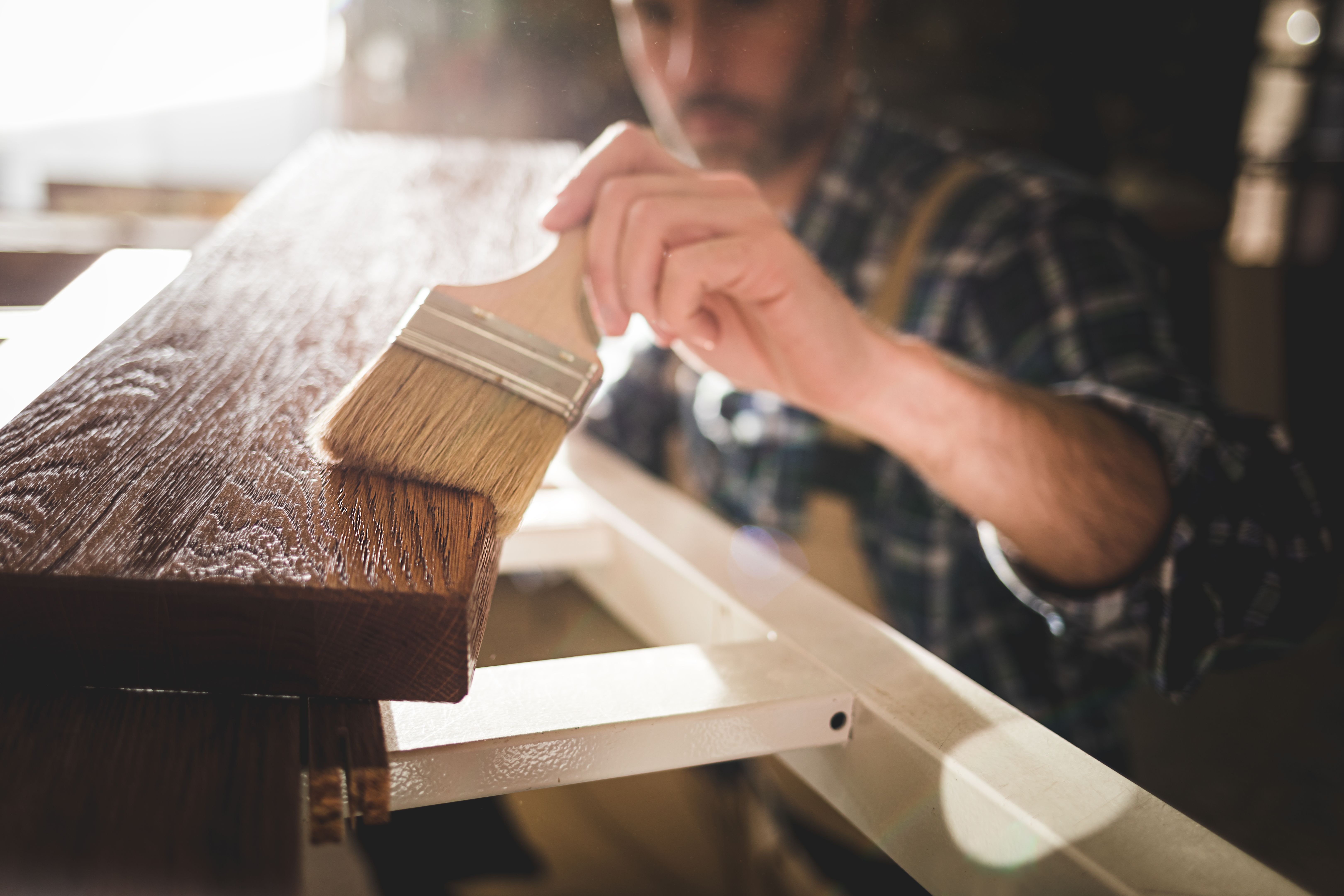
The finish of your project can significantly impact its appearance and durability. Sanding, staining, and sealing are essential steps that protect the wood and enhance its natural beauty. Choose finishes that suit your project's purpose and desired aesthetic.
Experimenting with different finishes can offer exciting results. From rustic to modern, the right finish can transform your project into a stunning masterpiece.
Continuous Learning and Inspiration
Carpentry is a field where there is always something new to learn. Stay inspired by following carpentry blogs, joining online forums, and engaging with fellow enthusiasts. Sharing experiences and solutions can spark creativity and provide valuable insights.
Remember, the journey of mastering carpentry is as rewarding as the finished projects. Enjoy the process and take pride in transforming your space with your own hands.